About us
Art Masters in the Schools is dedicated to inspiring creativity, confidence, and cultural appreciation in students through high-quality visual arts education. We partner with schools, educators, and communities to bring engaging, hands-on art programs directly into the classroom.
Our Vision
To be the leading organization in sustaining an appreciation for items of fine and decorative art created by master craftsmen.
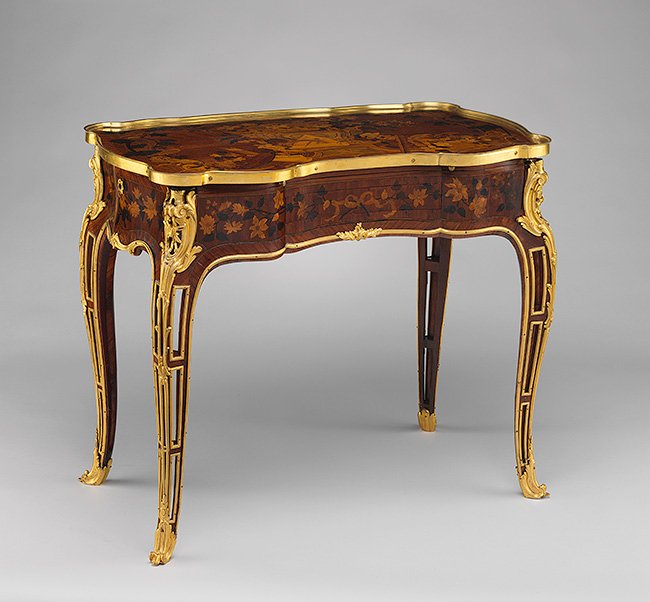
Figure 1: Mechanical Table, Jean Francois Oben, French, 1761-63, Oak Veneer with Gilt-Bronze Mounts. Jack and Belle Linsky Collection, Metropolitan Museum of Art, NY

Marla Pietrowski Founder and Executive Director
Figure 2: Portrait of Marla Pietrowski, Ralph Wolfe Cowan, Palm Beach, Florida, 2006
Mission Statement
The “Art Masters in the Schools” mission is to promote educational learning in our schools and communities through the artistic creations, skills and techniques of master craftsmen by providing enriching experiences and accessibility to fine and decorative art typically held at the world’s finest museums.
Ms. Pietrowski’s passion for fine and decorative art and her desire to share the wealth of knowledge gleaned from more than two decades of experience as a lecturer on European decorative art is the inspiration for the formation of Art masters in the Schools. She is an avid collector of French decorative art and has written her first book on the subject, “The Beginner’s Guide to 18th Century French Decorative Art,” which will be published this year. Ms. Pietrowski is from the United States but lived in London for a number of years and studied European art at Sotheby’s Institute of Art. She then moved to Geneva, Switzerland where she interned at Christie’s Auction House. She holds a Bachelor of Art in Education, and a Master of Science in Organization Development. She also holds a professional certificate in European Styles of Art and Art History. Her professional qualifications and expertise have been forged through experiences in various sectors including education, national and international business and decorative arts. She has a passion for French decorative art and has worked as a docent in Washington, D.C. at the Hillwood Museum and Gardens and the National Cathedral, further enhancing her skills in art and architecture. Currently she lives in the United States and continues to promote art education. She is also an adjunct professor at several leading universities.
Just in case I stop working at these universities.
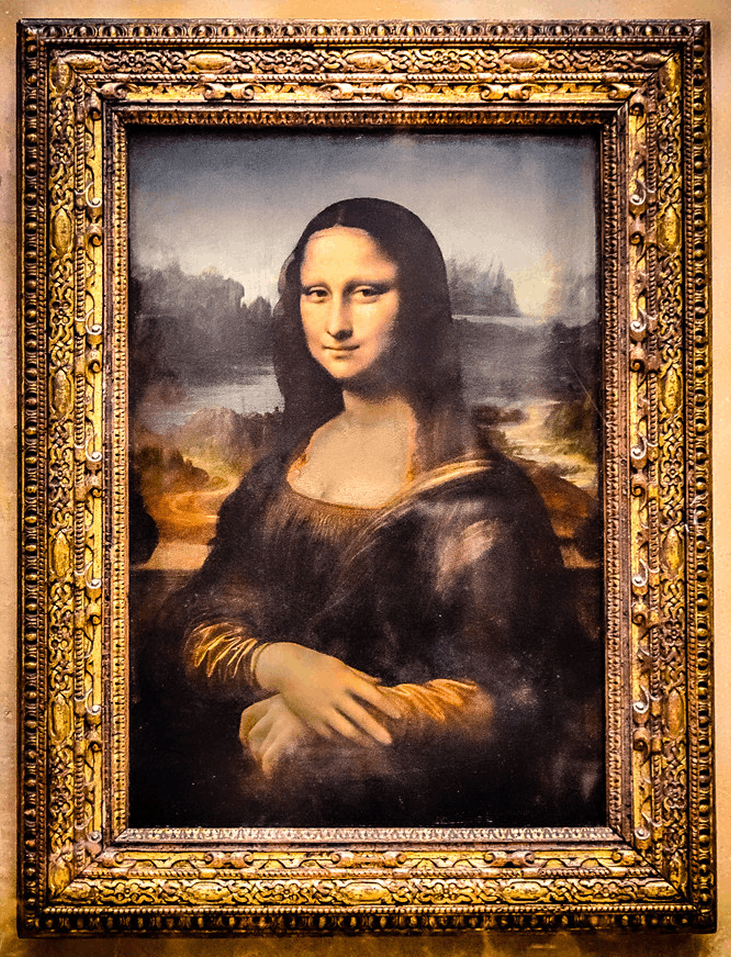
Meet Your Instructor
With over 20 years of experience in museum studies, Marla has been formally trained by Sotheby’s Institute of Art in London and holds a Master of Science degree in Organization Development from the American University. Her career includes time at Christie’s Auction House in Geneva, Switzerland, and extensive informal training at museums worldwide. She is delighted to bring this vast amount of knowledge directly to you through online sessions.
Historical Context
Today we continue to see the relevance of Italy and France through both the Baroque and Renaissance Period in modern styles of artistic design that have evolved from these areas. However, when we consider 18th century France as it relates to art, we must also consider the context in which this art was created. Louis XIV, the originator of the French style, established the elegance and quality commonly associated with furniture of this period. His design concepts were later refined in the 18th century by Louis XV and Louis XVI. During this period the predilections of the aristocracy and the wealthy prevailed, giving rise to a society of grandeur and indulgence, of eroticism and sensuality, of superb intellect and creativity.
The individuals of upper society were prepared by sparing no expense in creating items of interest for their personal pleasure. Whereas in earlier periods only the king and court could afford the expense of such an extravagant life style, by the mid-18th century we had extremely wealthy families, such as the Rothschild’s, who were financially able and willing to spend exorbitantly to acquire items that appeased their personal preference and style. This was reflected by the extravagant items that they commissioned, regardless of cost, for their smaller but magnificent mansions.
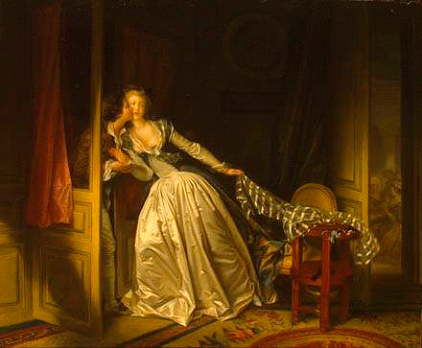
Figure 3:
Jean-Honoré Fragonard
The Stolen Kiss, Oil on canvas, 1780s
The State Hermitage Museum, St Petersburg
Fragonard demonstrates his mastery of light and shade. The fabrics are rendered in complete detail; each fold of the glistening silk and the transparency of the scarf are reminiscent of the effects of a modern-day camera lens rather than the strokes of a paintbrush. This painting also tells a speculative story about a relationship. It gives the viewer an opportunity to peek inside the home of a wealthy or aristocratic family and gain a glimpse of furniture selection and style.
The Grand Tour
Many wealthy Americans were introduced to European design during the latter half of the 19th century and early part of the 20th century when it became customary for them to take the “grand tour.” This aspect of travel had been a common practice for Europeans centuries before. The grand tour involved an extended period of holiday abroad where one would visit cities such as Paris, Rome, London, and Venice to experience cultural sights firsthand. While traveling, one was expected to educate oneself on the finer elements of culture and art. This new found knowledge was reflected in the souvenirs and other decorative items acquired while traveling. Items, which were created in France, were popular choices because of their exquisite craftsmanship. The “collector’s cabinet” or “curio cabinet” is an item of French furniture created hundreds of years ago specifically for the purpose of displaying miniature collectibles of these kind. Items often included fine artistic creations by master artists such as François Boucher and Jean-Honoré Fragonard.
Ms. Pietrowski’s passion for fine and decorative art and her desire to share the wealth of knowledge gleaned from more than two decades of experience as a lecturer on European decorative art is the inspiration for the formation of Art masters in the Schools. She is an avid collector of French decorative art and has written her first book on the subject, “The Beginner’s Guide to 18th Century French Decorative Art,” which will be published this year. Ms. Pietrowski is from the United States but lived in London for a number of years and studied European art at Sotheby’s Institute of Art. She then moved to Geneva, Switzerland where she interned at Christie’s Auction House. She holds a Bachelor of Art in Education, and a Master of Science in Organization Development. She also holds a professional certificate in European Styles of Art and Art History. Her professional qualifications and expertise have been forged through experiences in various sectors including education, national and international business and decorative arts. She has a passion for French decorative art and has worked as a docent in Washington, D.C. at the Hillwood Museum and Gardens and the National Cathedral, further enhancing her skills in art and architecture. Currently she lives in the United States and continues to promote art education. She is also employed as an adjunct professor at Wilmington University and Rowan University.
At Art Masters in the Schools, we don’t just teach art—we help students build confidence, discover their talents, and develop a deeper appreciation for creativity and culture. Together with our school partners, we are shaping brighter, more imaginative futures for students.